Jan 20, 2026
5 Things You've Been Told About Pelvic Health That Simply Aren't True
Womens Health
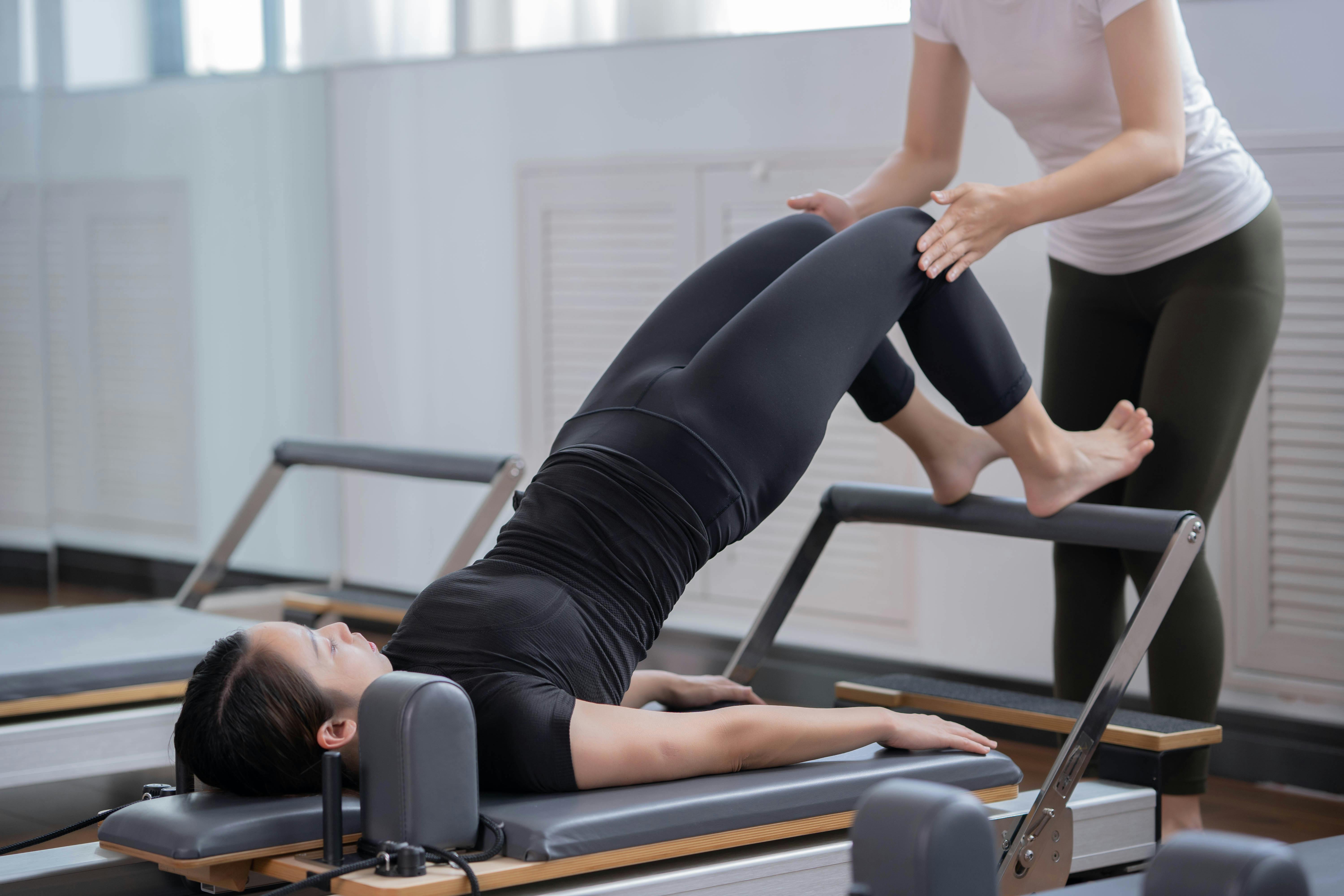
If you've ever leaked during a sneeze and been told "that's just what happens after having kids," or pushed through painful sex because you thought you just needed to "relax more," this one's for you.
Women's health physiotherapy is surrounded by misconceptions that keep too many women suffering in silence—or worse, thinking their symptoms are just something they have to live with. Let's clear up what's actually true.
Misconception #1: "A bit of leaking is normal after having babies"
You'll hear this everywhere—from well-meaning friends to online forums. And while it's common, it's not normal, and more importantly, it's treatable.
Stress urinary incontinence (leaking during exercise, coughing, or laughing) happens when your pelvic floor isn't providing adequate support. But here's the thing: your pelvic floor is made up of muscles, and muscles can be retrained. Whether you had your baby six weeks ago or sixteen years ago, targeted physiotherapy can make a real difference.
Misconception #2: "Just do more Kegels"
Kegels have somehow become the catch-all answer for every pelvic floor issue. But not everyone needs to strengthen their pelvic floor—some people need to learn how to relax it.
An overactive or too-tight pelvic floor can cause pain during sex, difficulty emptying your bladder, or constipation. Doing endless Kegels when your muscles are already tense is like trying to fix a clenched fist by squeezing harder. A pelvic health physiotherapist can assess what your specific pelvic floor actually needs.
Misconception #3: "I should wait until I'm done having children to get treatment"
Why wait years to feel like yourself again?
Addressing pelvic floor dysfunction between pregnancies can actually set you up for better outcomes in future pregnancies and recoveries. Plus, leaving issues untreated can lead to compensation patterns that become harder to correct over time. Your quality of life matters now, not just after your family is "complete."
Misconception #4: "Pelvic floor therapy is only for postpartum women"
While pregnancy and childbirth do impact the pelvic floor, they're far from the only reasons women seek pelvic health physiotherapy.
We work with women experiencing:
Painful periods or endometriosis
Pain during sex (regardless of whether they've had children)
Menopause-related changes
Chronic constipation or bowel issues
Pelvic organ prolapse
Recovery from gynecological surgery
Your pelvic health matters at every life stage.
Misconception #5: "If it's been years, it's too late to fix"
Whether your symptoms started last month or a decade ago, your body still has the capacity to change and improve.
We regularly work with women who've been living with symptoms for years—sometimes decades—thinking nothing could be done. While it's true that addressing issues earlier tends to mean faster progress, it's never too late to start. Your pelvic floor is part of your body's core support system, and it responds to proper treatment regardless of how long you've been struggling.
The bottom line
You don't have to accept pain, leaking, or discomfort as your new normal. Women's health physiotherapy is evidence-based, effective, and far more common than you might think—you're just not hearing about it because too many women still believe these misconceptions.
If something doesn't feel right, trust that instinct. Your body is telling you it needs support, and that support is available.
Ready to stop accepting symptoms as "just part of life"? Book an assessment at Alaga Therapy and let's create a treatment plan that actually addresses what's happening in your body.
Next article
" width="48px"><path d="M 13.996 0 C 6.278 0 0 6.168 0 13.745 L 0 33.374 C 0 40.949 6.284 47.111 14.004 47.111 L 34.004 47.111 C 41.722 47.111 48 40.944 48 33.367 L 48 13.737 C 48 6.162 41.717 0 33.996 0 Z M 38 7.852 C 39.104 7.852 40.001 8.731 40.001 9.815 C 40.001 10.898 39.104 11.778 38 11.778 C 36.896 11.778 36 10.898 36 9.815 C 36 8.731 36.896 7.852 38 7.852 Z M 24 11.778 C 30.618 11.778 36 17.06 36 23.556 C 36 30.051 30.618 35.333 24 35.333 C 17.382 35.333 12 30.051 12 23.556 C 12 17.06 17.382 11.778 24 11.778 Z M 24 15.704 C 21.878 15.704 19.844 16.531 18.343 18.003 C 16.843 19.476 16 21.473 16 23.556 C 16 25.638 16.843 27.635 18.343 29.108 C 19.844 30.58 21.878 31.407 24 31.407 C 26.122 31.407 28.157 30.58 29.657 29.108 C 31.157 27.635 32 25.638 32 23.556 C 32 21.473 31.157 19.476 29.657 18.003 C 28.157 16.531 26.122 15.704 24 15.704 Z" fill="rgb(250, 240, 224)" height="47.111111111111086px" id="QnpksaRhv" transform="translate(0 0)" width="48px"/></g></svg>)